Communal Area Cleaning: Keeping Shared Spaces Fresh, Safe, and Welcoming
Communal area cleaning plays a vital role in maintaining healthy, attractive, and functional shared environments. Whether it is an apartment building, office complex, student accommodation, housing association property, retail center, or mixed-use development, the cleanliness of common spaces shapes how people experience the property every day. From lobbies and hallways to lifts, stairwells, entrance areas, mail rooms, and shared kitchens, these spaces reflect the standards of the building and the people responsible for its upkeep.
When communal area cleaning is carried out consistently and professionally, the benefits are easy to see. Residents feel more comfortable, visitors make a better first impression, and building managers reduce hygiene-related complaints. More importantly, regular cleaning helps control dust, dirt, germs, odors, and wear that can quickly build up in high-traffic areas. In today’s world, people expect shared spaces to be not just tidy but sanitized, well-maintained, and safe.
In this article, we explore what communal area cleaning involves, why it matters, the most important tasks to prioritize, and how a tailored cleaning approach can improve the overall condition of shared premises. If you manage a property or want to improve standards in a building you live or work in, understanding the value of communal area cleaning can make a real difference.
What Is Communal Area Cleaning?

Communal area cleaning refers to the cleaning and maintenance of spaces that are shared by multiple occupants, tenants, workers, customers, or visitors. These areas are not privately owned or used by one person only; instead, they are accessed by many people throughout the day. Because of this heavy footfall, these spaces tend to collect more dirt, litter, fingerprints, and germs than private rooms.
Typical communal spaces include building entrances, reception areas, hallways, corridors, staircases, elevators, shared bathrooms, laundry rooms, bin stores, parking areas, communal kitchens, and outdoor pathways. In some environments, communal area cleaning may also extend to gym rooms, meeting rooms, communal lounges, and shared workstations. Each of these areas requires specific attention, as the cleaning needs can vary depending on the type of property and how the space is used.
Unlike one-off cleaning, communal area cleaning is usually scheduled on a recurring basis. That may mean daily, several times a week, weekly, or even multiple times per day in busy buildings. The frequency depends on traffic levels, occupancy, and hygiene expectations. The goal is always the same: to keep shared spaces clean, safe, and pleasant for everyone who uses them.
Why Communal Area Cleaning Matters

The importance of communal area cleaning goes far beyond appearances. Clean shared spaces contribute directly to health, comfort, and property value. When these areas are neglected, the entire building can feel less inviting, more chaotic, and less hygienic. On the other hand, a clean environment creates a positive impression and supports daily use in a practical way.
Health and hygiene are among the biggest reasons to invest in regular communal area cleaning. Shared surfaces such as handrails, door handles, lift buttons, and switches are touched by many people. If they are not cleaned frequently, bacteria and viruses can spread more easily. Dust and allergens can also accumulate in corners, vents, and carpets, affecting indoor air quality and comfort.
There is also a significant reputational and financial benefit. For landlords, property managers, and facility teams, maintaining common areas shows responsibility and attention to detail. This can reduce tenant dissatisfaction, support retention, and preserve the condition of the property over time. Clean, well-cared-for communal spaces are more likely to be respected by users, reducing damage, littering, and misuse.
Key benefits at a glance
- Improves hygiene in high-touch areas
- Creates a more welcoming environment
- Reduces odor, dust, and visible dirt
- Supports tenant satisfaction and retention
- Helps maintain property standards
- Encourages respectful use of shared spaces
Common Areas That Need Regular Attention
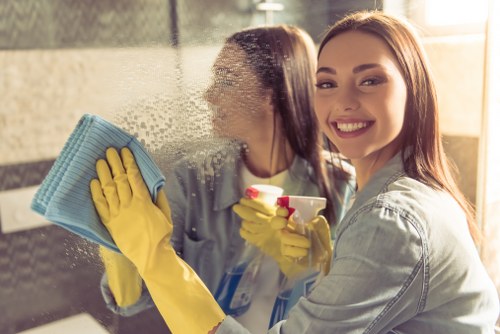
Communal area cleaning is most effective when it is tailored to the specific spaces within a property. Some areas require daily attention because they are used constantly, while others may need periodic deep cleaning. A smart cleaning plan looks at how each space is used and what type of dirt or contamination is likely to build up there.
For example, entrance lobbies and reception areas often need dusting, vacuuming, floor care, and glass cleaning to keep the building looking polished. Hallways and corridors are exposed to frequent foot traffic and may require mopping, spot cleaning, and removal of marks on walls or skirting boards. Stairwells can gather dust and debris quickly, especially on landings and around railings.
Other key areas include lifts, which need regular attention to buttons, mirrors, doors, and internal surfaces; bin rooms, where hygiene and odor control are essential; and communal kitchens or break areas, where surfaces must be disinfected carefully to avoid contamination. Shared bathrooms and washrooms demand particularly strict cleaning routines due to the risk of germ spread and unpleasant smells.
Frequently cleaned communal spaces
- Entrance halls and lobbies
- Corridors and walkways
- Staircases and landings
- Lift interiors and buttons
- Shared kitchens and dining areas
- Toilets and washrooms
- Bin stores and refuse rooms
- Car parks and external access points
What a Professional Communal Area Cleaning Service Includes
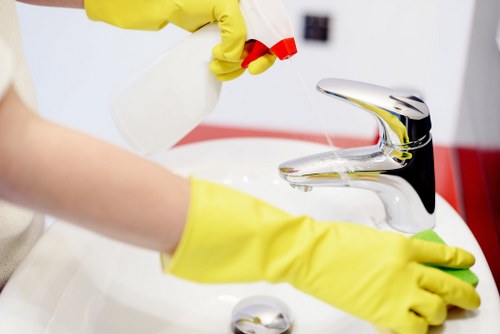
A professional communal area cleaning service usually involves a combination of routine tasks and targeted maintenance work. The exact service plan depends on the building type, occupancy level, and client expectations, but there are several core duties that commonly appear in a well-designed cleaning schedule.
Typical tasks include sweeping, vacuuming, mopping, dusting, surface wiping, waste removal, disinfecting high-touch points, and cleaning glass or mirrors. Depending on the property, services may also include odor control, floor polishing, carpet care, sanitizing bins, and removing cobwebs. In some settings, cleaner teams also monitor supply levels for items such as soap, paper towels, or bin liners.
Good communal area cleaning is not simply about making surfaces look neat. It is also about consistency, attention to detail, and adapting the cleaning process to the conditions of the space. A busy apartment block, for example, may need frequent touchpoint sanitizing and quick litter removal, while a commercial building might require additional focus on presentation and visitor-facing spaces.
Typical service elements
- Dusting ledges, sills, rails, and fixtures
- Vacuuming carpets and runners
- Mopping hard floors with suitable products
- Cleaning doors, handles, switches, and buttons
- Emptying bins and replacing liners
- Sanitizing washroom and kitchen surfaces
- Cleaning internal glass, mirrors, and entry panels
- Reporting maintenance issues or hazards
Some providers also offer deep cleaning at regular intervals to tackle grime that builds up over time. This can involve machine scrubbing floors, steam cleaning upholstery, intensive washroom sanitation, or detail cleaning in hard-to-reach spots. These periodic services help maintain a higher standard and extend the life of finishes and materials.
Health, Safety, and Compliance in Shared Spaces

Health and safety are central to any communal area cleaning plan. Shared spaces are often busy, and poor cleaning practices can create hazards as well as hygiene issues. Wet floors, cluttered corridors, unemptied bins, or neglected spillages can all increase the risk of slips, trips, and falls. In buildings with children, older adults, or people with limited mobility, these risks become even more important.
A reliable cleaning routine helps reduce those hazards. For instance, cleaning teams should use appropriate warning signs when floors are wet, keep walkways free of obstacles, and ensure cleaning products are stored correctly. They should also follow safe procedures when handling chemicals, electrical fixtures, or contaminated waste. This is why professional communal area cleaning often includes trained staff who understand both cleaning standards and workplace safety requirements.
Compliance can also matter depending on the property type. Commercial buildings, housing developments, and managed facilities may have internal policies or legal expectations for hygiene, waste disposal, and fire safety. Cleaners may need to work around fire exits, maintain access to emergency routes, and avoid blocking essential building features. A structured cleaning program helps ensure the property remains orderly and compliant while still looking its best.
Safety-focused cleaning practices
- Use clear wet floor signage
- Keep escape routes and exits unobstructed
- Store chemicals securely and label them properly
- Wear appropriate protective equipment when needed
- Report broken lights, loose fittings, or hazards immediately
- Use cleaning methods suitable for the surface type
How Communal Area Cleaning Improves Resident and Visitor Experience
People notice communal areas immediately. A hallway with dust, stains, or odors can create a poor impression before someone even reaches their destination. By contrast, a bright, clean, and fresh-smelling entrance tells people that the property is cared for and professionally managed. This simple difference can strongly influence how residents, visitors, staff, and customers feel about the building.
For residents, the impact is especially important. Shared spaces are part of daily life, and people want to feel proud of where they live. Clean stairwells, tidy lobbies, and hygienic bin areas help create a calmer and more comfortable environment. In apartment blocks and housing complexes, consistent communal area cleaning can even reduce disputes, as people are less likely to complain when standards are visibly maintained.
For visitors and clients, clean communal spaces enhance credibility. Offices, clinics, and commercial properties all rely on first impressions. A clean building communicates professionalism, care, and organization. It also supports brand image, especially where common areas are visible to customers or clients before they reach a specific office, suite, or service area.
Examples of improved experience
- Residents feel more comfortable using shared entrances and lifts
- Visitors see a tidy and well-managed environment
- Staff are more likely to respect and care for the space
- Property managers receive fewer cleanliness complaints
- Business premises appear more professional and trustworthy
Factors That Influence Cleaning Frequency
There is no one-size-fits-all approach to communal area cleaning. The right schedule depends on how busy the space is, what kind of building it is, and what level of cleanliness is expected. A compact residential block with a few occupants may only need weekly cleaning, while a large apartment complex or busy commercial site may require daily service or even multiple visits.
Traffic level is one of the biggest factors. The more people passing through, the faster dirt and marks will accumulate. Weather also plays a role: rain, mud, snow, and leaves can be tracked into entrances and corridors, meaning seasonal adjustments may be needed. The type of flooring matters too, because carpets, tiles, vinyl, and natural stone all respond differently to cleaning methods and maintenance schedules.
Another factor is the presence of special-use areas. If the property includes shared kitchens, washrooms, or waste rooms, these spaces need more frequent cleaning than low-contact areas. Buildings with pets, young children, or elderly residents may also require additional attention. A flexible, responsive plan ensures communal area cleaning stays effective without wasting resources.
What affects cleaning frequency?
- Daily foot traffic
- Number of occupants or users
- Seasonal dirt and weather conditions
- Type of flooring and surfaces
- Presence of kitchens, washrooms, or bins
- Hygiene expectations and building standards
Best Practices for Effective Communal Area Cleaning
To get the best results, communal area cleaning should follow a structured and proactive approach. That starts with a clear schedule and a detailed checklist. When cleaners know exactly what needs to be done, important tasks are less likely to be missed. It also helps managers track quality and identify areas that need more attention.
Using the right products and equipment is equally important. Different surfaces require different treatment, and using the wrong cleaner can damage floors, fixtures, or finishes. For example, abrasive products may scratch polished surfaces, while overly wet methods may damage carpets or create slip risks. Professional cleaners understand how to match products and techniques to the environment.
Another best practice is to combine routine cleaning with periodic inspections. This makes it easier to spot issues such as broken fittings, overflowing bins, pest problems, or repeated misuse of communal spaces. Good communication between cleaning teams, property managers, and occupants helps keep the building in better condition overall. Cleanliness is not only about appearance; it is part of good property management.
Simple ways to improve results
- Use a cleaning schedule tailored to the property
- Prioritize high-touch points every visit
- Carry out deeper cleans at regular intervals
- Inspect communal areas during and after cleaning
- Log any issues for maintenance follow-up
- Choose environmentally responsible products where suitable
Eco-Friendly Approaches to Communal Area Cleaning
Sustainability is becoming increasingly important in property management, and communal area cleaning can support that goal. Eco-friendly cleaning methods reduce unnecessary chemical use, minimize waste, and often improve indoor air quality. Many organizations now prefer low-toxicity products, microfiber cloths, refillable systems, and efficient water use as part of their cleaning strategy.
Green cleaning does not mean compromising on standards. In fact, when carried out properly, it can deliver excellent results while being gentler on people and the environment. Choosing the right product for the surface, using measured amounts, and avoiding excessive packaging all contribute to a more responsible cleaning program. This is especially helpful in residential buildings where children, pets, or sensitive individuals may be affected by harsh chemicals.
Energy-efficient equipment can also support sustainability goals. Vacuum cleaners with high efficiency, low-water floor systems, and reusable cleaning materials can reduce waste over time. For building owners and managers who want to strengthen their environmental credentials, communal area cleaning can be an easy place to make meaningful improvements.
Choosing the Right Communal Area Cleaning Provider
If you are considering outsourcing the work, choosing the right provider is essential. Not all cleaning services are the same, and communal areas require a level of consistency and reliability that goes beyond basic tidying. A strong provider will understand different building types, create customized schedules, and maintain a professional standard at every visit.
Look for a team with experience in communal area cleaning, clear processes, and a focus on quality control. It is also useful if they can adapt to changing needs, such as higher seasonal traffic, special events, or ongoing maintenance projects. A good provider should be able to balance speed, care, and attention to detail without disrupting residents or staff.
Before deciding, ask about their methods, supplies, staff training, and inspection process. You should also consider how they handle communication and issue reporting. When a cleaner notices damage, spills, or safety concerns, prompt reporting can prevent bigger problems later. That level of diligence is a sign of a dependable service partner.
Questions to consider
- Do they have experience with your type of property?
- Can they provide a tailored cleaning schedule?
- What quality checks are in place?
- Are their products suitable for your building’s needs?
- Can they respond quickly to urgent cleaning issues?
Communal Area Cleaning for Different Property Types
Different properties have different priorities. In residential buildings, the emphasis is often on hygiene, quiet efficiency, and resident satisfaction. In offices and commercial environments, presentation and professionalism may take center stage. Student housing may require frequent cleaning due to heavy use and shared amenities, while healthcare-adjacent buildings need stricter sanitation practices.
Retail and hospitality settings can also benefit greatly from carefully planned communal area cleaning. Customers notice cleanliness immediately, and shared spaces such as corridors, waiting areas, restrooms, and seating zones influence how long they stay and how they feel about the brand. In every setting, the cleaning approach should reflect the people using the space and the image the property wants to project.
Even outdoor communal areas matter. Paths, entrances, smoking areas, loading bays, and car parks all contribute to the overall impression of the property. When these areas are ignored, dirt and litter can spread indoors, undoing the work done inside. For that reason, a complete approach to communal area cleaning should include both interior and exterior shared spaces wherever possible.
Final Thoughts on Maintaining High Standards
Communal area cleaning is one of the simplest and most effective ways to improve shared environments. It supports health, safety, appearance, comfort, and long-term property value. A clean communal space helps everyone: residents feel more at ease, visitors receive a better welcome, and managers can maintain a stronger standard across the building.
Whether you oversee a residential block, commercial facility, or mixed-use property, a well-planned cleaning routine is an investment worth making. By focusing on high-traffic areas, key touchpoints, and regular inspections, you can keep common spaces in excellent condition all year round. The result is a property that feels cared for, respected, and ready for daily use.
If your shared areas need a higher standard of cleanliness, now is the time to act. Contact us today to discuss a tailored approach to communal area cleaning, or book your service now to keep your building fresh, safe, and inviting.