End of Tenancy Cleaning in and Why It Matters for Tenants, Landlords, and Letting Agents
End of tenancy cleaning is one of the most important tasks at the end of a rental agreement. Whether you are moving out of a flat, house, studio, or shared property, a proper end of tenancy cleaning service can make a major difference to the final inspection, your deposit return, and the overall handover process. In many cases, the condition of the property determines whether the landlord or letting agent is satisfied with the move-out standards. That is why end of tenancy cleaning in rental properties has become a crucial part of moving day planning.
For tenants, the goal is simple: leave the property in the best possible condition and reduce the risk of deductions from the deposit. For landlords and letting agents, a professionally cleaned property is easier to re-let and more attractive to new occupants. End of tenancy cleaning is not just about making the home look tidy. It involves a detailed clean that targets built-up grime, neglected corners, appliances, fixtures, and surfaces that are often overlooked during routine cleaning.
In this article, we will explore what end of tenancy cleaning involves, why it is so valuable, what areas are typically included, and how to prepare for it effectively. You will also learn about common mistakes to avoid, the benefits of professional cleaning, and how to make your move-out experience smoother. If you are looking for practical advice on end of tenancy cleaning in rental homes, this article will help you understand what to expect and how to get the best results.
What Is End of Tenancy Cleaning?

End of tenancy cleaning is a deep and detailed cleaning process carried out when a tenant is moving out of a rented property. Unlike regular weekly cleaning, this service focuses on restoring the property to a high standard so that it is ready for inspection and for the next occupant. It usually covers kitchens, bathrooms, bedrooms, living spaces, hallways, and sometimes outdoor or additional areas such as balconies, utility rooms, and storage spaces.
The purpose of end of tenancy cleaning is to meet the expectations outlined in most tenancy agreements. Many rental contracts require the property to be returned in the same condition as it was at the start of the tenancy, allowing for fair wear and tear. This means that dusting a few surfaces is rarely enough. A proper end of tenancy cleaning service often includes cleaning inside appliances, removing limescale, sanitising bathrooms, wiping skirting boards, washing walls where needed, and vacuuming or steam-cleaning floors.
When people search for end of tenancy cleaning, they are usually looking for a reliable way to ensure the property passes the final inspection. A well-executed clean can help protect the tenant’s deposit and make the transition easier for everyone involved. It also gives landlords confidence that the property is being returned in a respectable condition.
Why End of Tenancy Cleaning Is So Important

One of the biggest reasons end of tenancy cleaning matters is the deposit. Tenants often pay a security deposit before moving in, and that deposit may be partially or fully withheld if the property is not returned in a clean condition. While normal wear and tear is expected, dirt, stains, and leftover mess are not. By investing time and effort into end of tenancy cleaning in the right way, tenants improve their chances of receiving the full deposit back.
Landlords also benefit from a thorough cleaning. A freshly cleaned property is far more appealing to new tenants and can reduce the time the property remains vacant. For property managers, efficient turnover is essential. A professional end of tenancy cleaning process helps maintain the property’s presentation and protects its long-term condition. Clean surfaces, fresh-smelling rooms, and spotless appliances create a strong first impression.
There is also a practical side to it. Moving is already stressful, and the last thing anyone wants is a disagreement over cleanliness. Having a clear standard and a proper plan reduces conflict between tenants and landlords. End of tenancy cleaning provides a structured way to hand back the property without unnecessary tension.
What Does End of Tenancy Cleaning Usually Include?
Key Areas Covered in a Deep Clean
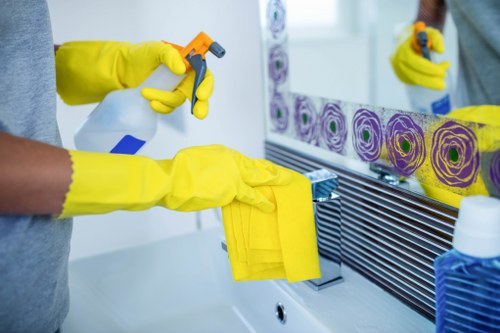
A proper end of tenancy cleaning service is far more detailed than a quick tidy-up. It targets the areas most likely to gather grease, dust, stains, and hidden dirt. The exact checklist may vary depending on the property, but most cleaning packages focus on the following spaces:
- Kitchen: inside and outside of cupboards, worktops, splashbacks, sink, taps, extractor fan, oven, hob, fridge, freezer, microwave, and flooring
- Bathrooms: toilet, bath, shower, tiles, mirrors, sink, taps, limescale removal, grout cleaning, and sanitising surfaces
- Bedrooms and living areas: dusting, skirting boards, windows, frames, switches, doors, wardrobes, shelves, and floors
- Hallways and stairs: vacuuming, wiping surfaces, removing cobwebs, and cleaning handrails
- Additional areas: utility spaces, storage areas, balconies, and internal glass where applicable
Some end of tenancy cleaning services also include optional extras such as carpet cleaning, upholstery cleaning, mattress cleaning, and window cleaning. These additional tasks can be especially helpful if the property has been occupied for a long time or if certain areas show visible wear. The more thorough the cleaning, the better the chance of meeting the expected handover standard.
It is also worth noting that many landlords and agents use check-in inventory reports to compare the condition of the property at the start and end of the tenancy. This is why detailed end of tenancy cleaning can be so valuable. It helps bring the property back to a condition that aligns with the original inventory, within reasonable allowances for fair wear and tear.
Should You Clean It Yourself or Hire Professionals?
Weighing Time, Cost, and Results

Many tenants ask whether they should handle end of tenancy cleaning themselves or hire a professional service. The answer depends on several factors, including budget, available time, the size of the property, and the level of cleaning required. If the property is small and already in fairly good condition, a DIY approach may be possible. However, larger homes or properties with heavy dirt build-up often benefit from professional end of tenancy cleaning.
Professional cleaners bring experience, tools, and products that can achieve results many people find difficult to match on their own. They understand what landlords and letting agents typically expect during a final inspection. This means they know how to target problem areas such as ovens, bathrooms, limescale, and neglected corners. A professional service can also save time during an already busy moving period.
On the other hand, a DIY clean may be suitable for tenants who have kept up with regular housekeeping throughout the tenancy. End of tenancy cleaning does not always require specialist equipment if the property is in good shape. Still, it is important to be realistic. Missing important areas or rushing the job can lead to deposit deductions. For many people, the peace of mind offered by professional cleaning is worth the investment.
Factors to Consider Before Deciding
- The size and condition of the property
- How much time is available before check-out
- Whether carpets or upholstery need special treatment
- Any tenancy agreement cleaning requirements
- Your confidence in achieving a high standard
How to Prepare for End of Tenancy Cleaning
Simple Steps That Make the Process Easier

Preparation is key to a successful move-out clean. Before starting any end of tenancy cleaning, it helps to remove personal belongings, packed boxes, and unwanted clutter from the property. Cleaning becomes much easier when surfaces, floors, and storage areas are fully accessible. If the place is still full of furniture and possessions, the work will take longer and may not be as effective.
It is also smart to review the tenancy agreement and inventory report before cleaning begins. These documents often state what condition the property should be in at the end of the tenancy. Checking them in advance helps you focus on the right priorities. For example, some agreements require professional carpet cleaning, while others require appliances to be cleaned inside and out. If you know the expectations early, you can avoid last-minute surprises.
Another useful step is to gather cleaning supplies ahead of time. This may include microfiber cloths, a vacuum cleaner, a mop, limescale remover, degreaser, glass cleaner, sponges, and gloves. If you are hiring professionals, make sure the property is accessible and that all utilities are working if needed. This allows the cleaners to perform the end of tenancy cleaning efficiently and without delays.
Practical Preparation Checklist
- Remove all personal items and rubbish
- Defrost the freezer if needed
- Empty cupboards, drawers, and wardrobes
- Note any damage that should be reported separately
- Check whether professional services are required for carpets or ovens
- Allow enough time for the property to dry after cleaning
Room-by-Room End of Tenancy Cleaning Tips
Kitchen Cleaning Focus
The kitchen is often the most challenging area during end of tenancy cleaning. Grease, food stains, and appliance residue can build up over time and become difficult to remove. Start with the cupboards, wiping both the inside and outside surfaces. Then move to the worktops, splashbacks, sink, and taps. Appliances such as ovens, hobs, fridges, and microwaves need extra attention because they are closely inspected in many rental properties.
It is also a good idea to pay attention to hidden spots such as the tops of cupboards, behind appliances, and around handles. These areas may not seem obvious, but they can make a noticeable difference during inspection. End of tenancy cleaning in the kitchen should always aim for hygiene as well as appearance. Sanitised surfaces and a fresh finish help create the best impression.
For best results, use a degreasing cleaner, warm water, and the right tools for stubborn grime. A little extra time spent on the kitchen can significantly improve the overall standard of the clean.
Bathroom Cleaning Focus
Bathrooms require a different approach because limescale, soap scum, and moisture-related marks are common. Clean the toilet, sink, bath, shower screen, tiles, mirrors, and taps carefully. Pay special attention to grout, corners, and around fittings where dirt can collect. Removing limescale from taps and shower heads is especially important in areas with hard water.
Good ventilation also matters. If possible, open windows while cleaning and dry surfaces after washing them. This helps reduce streaks and prevents fresh moisture from creating new marks. A spotless bathroom is one of the clearest signs of a proper end of tenancy cleaning service.
In some cases, mould or mildew may need specialist treatment. Addressing these issues early can prevent the final inspection from becoming more difficult. Clean bathrooms create confidence and show that the property has been well cared for.
Bedrooms, Living Rooms, and Hallways
These rooms often seem easier, but they still require careful attention. Dust skirting boards, light switches, doors, radiators, shelves, and window ledges. Vacuum carpets thoroughly and mop hard floors where needed. Remove cobwebs from ceilings and corners, and wipe down internal glass if present.
End of tenancy cleaning in these areas should also include checking for marks on walls, fingerprints on doors, and dust behind furniture. Even though these rooms may not have the heavy grease of a kitchen or the limescale of a bathroom, they still contribute to the overall impression of the property.
If the tenancy included furniture, clean around and under it where possible. That extra care can make a noticeable difference and help satisfy inspection expectations.
Common Mistakes to Avoid During End of Tenancy Cleaning
What Can Go Wrong
One of the most common mistakes is underestimating how long the process takes. Many tenants leave end of tenancy cleaning until the last day, only to realise that the property needs far more work than expected. Starting early gives you time to tackle difficult areas properly and reduces stress.
Another mistake is focusing only on visible surfaces. Landlords and agents may look in cupboards, behind appliances, on top of wardrobes, and inside ovens. Missing these hidden spots can lead to disappointment during the final inspection. A thorough approach is essential for end of tenancy cleaning because appearance alone does not tell the full story.
Using the wrong products is also a problem. Harsh chemicals can damage surfaces, while weak cleaners may not remove stubborn dirt. Always use suitable products for the material you are cleaning. If you are unsure, test a small hidden area first. Careful cleaning protects the property and avoids unnecessary repair costs.
Other Mistakes to Watch Out For
- Leaving rubbish or unwanted items behind
- Forgetting skirting boards, light fittings, and switches
- Ignoring appliances or cleaning them too lightly
- Not checking the inventory before starting
- Failing to allow enough time for drying and airing out rooms
How Professional End of Tenancy Cleaning Helps Property Presentation
Benefits for Landlords and Letting Agents
For landlords, property presentation is more than just visual appeal. A clean property tends to photograph better, attract more interest, and create a positive first impression during viewings. Professional end of tenancy cleaning helps restore freshness between occupants and maintains the reputation of the property. A well-kept home can stand out in a competitive rental market.
Letting agents also appreciate a consistent cleaning standard. When a property is cleaned professionally, it is easier to assess its condition and prepare it for re-marketing. This reduces delays and helps with smoother tenant transitions. In busy rental markets, time matters. A thorough end of tenancy cleaning service can help properties move from vacant to available much faster.
There is also a long-term maintenance benefit. Regular deep cleaning can reduce the accumulation of dirt that leads to staining, dull surfaces, and premature wear. In this sense, end of tenancy cleaning is not just a final task; it is part of ongoing property care.
Why Keywords Like End of Tenancy Cleaning in Rental Homes Matter
Understanding Search Intent
People searching for end of tenancy cleaning are often looking for a practical solution to a specific problem. They may need a move-out clean, a deposit-saving service, or help preparing a property for the next tenant. That is why content about end of tenancy cleaning in rental homes should focus on useful information, clear expectations, and actionable steps.
Search engines also favor content that answers user intent well. Using terms such as move-out cleaning, tenancy clean, deep cleaning service, rental property cleaning, and check-out clean helps broaden visibility without sounding repetitive. The key is to use these phrases naturally within helpful content. Google-friendly writing should always read smoothly for people first.
When writing about end of tenancy cleaning, it is important to balance SEO with readability. Overusing the same keyword can sound forced, but using related terms and practical examples helps the content stay engaging. The best articles provide value while still supporting strong search performance.
Final Thoughts on End of Tenancy Cleaning
End of tenancy cleaning plays a major role in the moving process. It helps tenants protect their deposits, supports landlords in preparing the property for new occupants, and reduces the risk of disputes at handover. Whether the cleaning is done personally or by professionals, the goal is the same: leave the property in a clean, respectable, and inspection-ready condition.
A successful end of tenancy cleaning service depends on planning, attention to detail, and a clear understanding of what needs to be done. Kitchens, bathrooms, living spaces, and hidden corners all require care. By preparing properly and avoiding common mistakes, tenants can make the process much easier and improve their overall outcome.
If you are approaching a move-out date and want a smooth transition, now is the time to act. Book your service now or make your cleaning plan early so you are not rushed at the last moment. For a cleaner handover and a better chance of deposit recovery, contact us today and take the stress out of moving.