Move Out Cleaning: The Complete Approach to a Fresh, Stress-Free Hand Over
Why Move Out Cleaning Matters More Than Most People Think

Move out cleaning is one of those tasks that can feel easy to postpone until the very end of a busy relocation. Yet when moving day arrives, the condition of the property often affects far more than appearance. A proper move out cleaning can influence security deposit returns, landlord approval, tenant handover, and the overall impression left behind. Whether you are leaving an apartment, a rented house, or a commercial space, the goal is the same: leave the property in a condition that feels fresh, tidy, and ready for the next occupant.
For many people, moving is already full of deadlines, packing boxes, utility changes, address updates, and transportation logistics. Adding a deep move out cleaning checklist to the mix can feel overwhelming. That is exactly why having a structured cleaning plan matters. Instead of rushing through surfaces at the last minute, you can focus on the areas that matter most, saving time and avoiding costly oversights.
A well-done move out cleaning is not just about making a place look acceptable. It is about removing hidden grime, dust buildup, grease, soap residue, and odors that accumulate over time. The cleaner the property, the easier it is for the next resident to settle in. And for the current resident, a polished finish can reduce disputes, improve handover confidence, and make the move feel complete.
What Move Out Cleaning Typically Includes

Every property is different, but a standard move out cleaning usually goes far beyond routine tidying. It often includes deep attention to kitchens, bathrooms, floors, walls, fixtures, and hard-to-reach spots that are often ignored during weekly maintenance. In many cases, the service also covers appliance interiors, baseboards, vents, cupboard shelves, and buildup behind furniture.
To understand the scope better, it helps to think of move out cleaning as a reset rather than a surface refresh. A reset means dust is removed from corners, fingerprints are wiped from doors and switches, and grime is cleared from areas that people may not see at first glance. Even small details matter because landlords, property managers, or new occupants often notice everything once the room is empty.
Some of the most common tasks in move out cleaning include:
- Cleaning inside and outside kitchen cabinets
- Degreasing stovetops, ovens, and range hoods
- Scrubbing sinks, tubs, and tile grout
- Vacuuming and mopping floors thoroughly
- Removing dust from shelves, vents, and light fixtures
- Wiping doors, handles, switches, and skirting boards
- Cleaning windows, mirrors, and glass surfaces
Why a Room-by-Room Strategy Works Best

One of the smartest ways to approach move out cleaning is to break the property into rooms. That keeps the work manageable and helps ensure no area is skipped. A room-by-room method also makes it easier to estimate supplies, time, and labor. For larger homes or properties with multiple bathrooms, this approach is especially valuable because it reduces stress and creates a clear finish line.
Start with the spaces that usually collect the most buildup. Kitchens and bathrooms tend to require the heaviest effort because they gather grease, moisture, soap scum, and food residue. Once those are handled, move on to living spaces, bedrooms, hallways, and utility areas. This order is efficient and keeps your progress visible, which can be motivating during a long day of cleaning.
Another advantage of a room-by-room move out cleaning process is that it supports better quality control. After each room is cleaned, you can inspect it before moving on. That means dust, streaks, or overlooked marks are more likely to be caught early. For renters especially, this can make a meaningful difference when preparing for final inspection.
Kitchen Move Out Cleaning: The Highest-Priority Zone
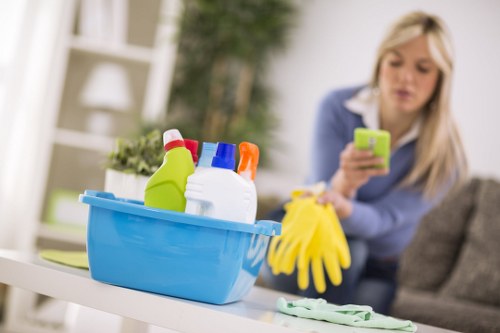
The kitchen is often the most demanding part of move out cleaning. It is where grease, spills, crumbs, odors, and sticky residue accumulate the fastest. Even a kitchen that looks acceptable at a glance may reveal heavy grime on cabinet tops, appliance edges, and behind the stove when cleaned more closely. That is why the kitchen should receive careful, thorough attention.
Focus on appliance surfaces first, then move inward. Wipe the refrigerator inside and out, clean shelves and drawers, scrub the oven interior, and degrease the stovetop and splashback. If appliances are staying with the property, their condition often has a big impact on the final impression. A sparkling sink and cleaned faucet can also make the whole room feel more polished.
Cabinets and drawers deserve special care during move out cleaning. Empty them fully, vacuum crumbs, wipe interior surfaces, and check corners for residue. Don’t forget handles and hinges, which often collect oil from everyday use. Finish the kitchen by mopping the floor, checking under movable appliances, and removing trash or leftover food items. The difference between a quick wipe and proper move out cleaning is very noticeable in this room.
Useful kitchen tasks to prioritize
- Clean inside the oven and microwave
- Wipe cupboard fronts and cabinet shelves
- Remove grease from backsplash and extractor fans
- Scrub the sink, drain, and tap fittings
- Vacuum around and behind appliances
- Sanitize counters and worktops
Bathroom Move Out Cleaning: Small Space, Big Impact
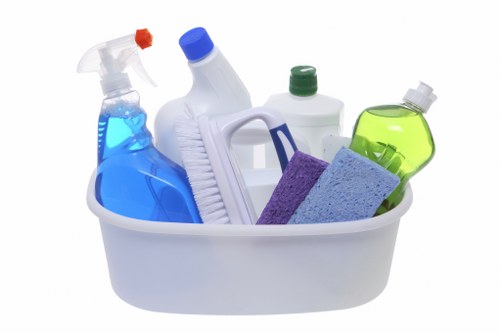
Bathrooms may be smaller than kitchens, but they can take just as much effort during move out cleaning. Soap scum, hard-water stains, mildew, toothpaste splashes, and dust often appear in hidden places. A bathroom that looks clean from the doorway may still need deep work around faucets, tiles, drains, and seals. This is one area where detail really matters.
Begin by removing all personal items and emptying storage areas. Then clean mirrors, sinks, toilets, showers, bathtubs, and countertops. Pay attention to corners and grout lines, since these spots often hold residue that regular cleaning misses. If there are glass shower doors, a streak-free finish can dramatically improve the overall appearance of the room.
For effective move out cleaning, deodorizing is also important in bathrooms. Air fresheners may provide temporary relief, but a true clean should remove the source of odors. Make sure drains are clear, bins are emptied, and all surfaces are sanitized. In properties where the bathroom has been heavily used, an extra pass may be needed to ensure everything feels truly fresh and ready for handover.
Bathroom details that are easy to forget
- Base of the toilet and behind the toilet tank
- Soap holders and toothbrush storage areas
- Tile edges, sealant, and grout lines
- Exhaust fans and vent covers
- Cabinet interiors under the sink
Living Areas, Bedrooms, and Hallways: The Finishing Touches
After the kitchen and bathroom are handled, the rest of the home usually becomes easier to clean. Living areas, bedrooms, and hallways still need a careful move out cleaning, but the work is often more straightforward. The goal here is to remove dust, marks, and leftover traces of daily use so the property feels open, bright, and reset.
Start with high surfaces such as shelves, ceiling corners, lamps, and curtain rods. Then work downward to walls, switches, door frames, windowsills, and baseboards. Floors should be vacuumed and mopped according to the surface type. Carpeted areas may need a deeper vacuuming, while hard floors often benefit from a final polish that removes streaks and footmarks.
Do not underestimate the effect of windows and natural light. Clean glass can make an empty room look significantly better, which is why it is such a helpful part of move out cleaning. If the weather and access allow, open the curtains or blinds and let daylight reveal any remaining dust, smudges, or overlooked corners.
How to Handle Walls, Floors, and Fixtures Properly
Walls, floors, and fixtures are often the difference between average and excellent move out cleaning. These surfaces show the real condition of a property after furniture and décor have been removed. Marks on walls, dust on vents, and residue around switches can make a room appear less clean than it actually is. Addressing them carefully can greatly improve the final result.
For walls, focus on removing fingerprints, scuff marks, and small stains where possible. Avoid over-wetting painted surfaces, and always test cleaning products in a discreet area if you are unsure. For floors, use the correct method for the material. Tile, laminate, hardwood, vinyl, and carpet each need a different approach. Choosing the wrong method can leave streaks or damage surfaces, which is the last thing you want during move out cleaning.
Fixtures also deserve extra attention. Light switches, power outlets, door handles, radiator covers, and vent grilles often collect dust or grime without being noticed. A careful wipe can make these everyday items look much fresher. This small detail work supports a stronger overall presentation and helps the property feel genuinely clean rather than only superficially tidy.
Best practices for surfaces
- Remove loose dust before applying moisture
- Use surface-appropriate products
- Work from top to bottom in each room
- Dry and polish where streaks are visible
- Inspect with natural light when possible
How Professional Move Out Cleaning Saves Time and Energy
Many people choose professional move out cleaning because it saves valuable time during an already demanding transition. Packing, transport, paperwork, and coordinating the move can leave little energy for deep scrubbing. A professional team can complete the job more efficiently because they know where buildup usually hides and what methods work best on different surfaces.
Another major advantage is consistency. A trained cleaning team follows a structured process that reduces the chance of missed spots. They also tend to bring the right tools, products, and experience for tougher jobs like oven degreasing, bathroom descaling, and dust removal in hard-to-reach areas. That level of consistency can be especially useful when a property must be ready for inspection on a strict timeline.
Even if you plan to do most of the move out cleaning yourself, professional support may still be worth considering for specific areas. Some people handle basic tidying and decluttering, then book a deep clean for kitchens, bathrooms, or final detail work. This hybrid approach can be practical, cost-effective, and less stressful than trying to do everything alone.
DIY Move Out Cleaning Tips for Better Results
If you are handling your own move out cleaning, preparation makes a huge difference. The first step is to gather the right supplies before you begin. Having everything on hand saves time and prevents interruptions once the work is underway. It also helps you move from room to room more smoothly and maintain momentum.
A good DIY plan should include gloves, microfiber cloths, a vacuum, mop, scrub brushes, all-purpose cleaner, glass cleaner, bathroom cleaner, and a degreasing product for the kitchen. If you have carpet stains, a spot treatment can help. For harder tasks, such as baked-on oven residue or mineral buildup, you may need a specialized product designed for the surface.
Set realistic expectations and clean in stages. Empty the home first, then dust and wipe surfaces, then scrub and mop. This keeps dirt from falling onto already cleaned areas. It is also wise to clean one room completely before moving to the next, especially if your schedule is tight. Move out cleaning goes faster when there is a clear sequence rather than random effort.
DIY success tips
- Start early instead of leaving everything for the final day
- Use a checklist for each room
- Clean high-to-low and dry-to-wet
- Replace trash bags as you go
- Do a final walk-through before leaving
Common Mistakes to Avoid During Move Out Cleaning
Even with the best intentions, some mistakes can reduce the effectiveness of move out cleaning. One of the most common errors is cleaning too quickly. Rushing often leads to streaks, missed buildup, and surfaces that look clean until the light changes. Another mistake is focusing only on visible areas while ignoring spots like behind appliances, inside cupboards, and along edges.
Using the wrong products is another problem. Harsh chemicals may damage delicate surfaces, while weak products may not remove heavy grime. It is important to match the cleaner to the surface and follow the instructions carefully. In bathrooms and kitchens especially, using a product that is too mild may leave residue behind, while using something too aggressive can create permanent marks.
People also sometimes forget about final details. Doors, handles, light switches, and baseboards may seem minor, but they contribute heavily to the overall impression. The best move out cleaning process balances efficiency with detail, ensuring that the property is not only empty, but also polished and ready for the next stage.
How to Prepare Before Move Out Cleaning Begins
Preparation can make move out cleaning much smoother and more efficient. Before you start, remove all belongings, disconnect items if needed, and clear access to cupboards, appliances, and corners. The more open the space, the easier it is to clean thoroughly. This is especially important in tight kitchens, bathrooms, and storage rooms where dust and dirt often accumulate out of sight.
If the property is still partly furnished, move items away from walls and floors so you can vacuum and wipe every reachable area. If possible, do a light declutter first so cleaners are not wasting time sorting through forgotten objects. It is also helpful to check any rental agreement or move-out requirements so you know which standards must be met. In some cases, specific move out cleaning expectations may apply to appliances, carpets, or outdoor spaces.
Before the cleaning starts, open windows for ventilation if the weather allows it. Fresh air helps reduce odors and improves the working environment. It can also make the property feel brighter and more inviting. Once the space is prepared properly, the rest of the work becomes faster, cleaner, and more organized.
What Makes Move Out Cleaning SEO-Friendly for Service Pages
If you are using the phrase move out cleaning on a website, it helps to understand what search engines and readers both value. Google tends to reward pages that match intent clearly, use related terms naturally, and provide useful answers. That means content should include not just the main keyword, but also variations such as end of tenancy cleaning, deep cleaning, exit cleaning, and final property cleaning where appropriate.
At the same time, content should remain readable. Keyword stuffing can harm trust and reduce engagement. A natural balance works best: mention move out cleaning where it fits, then support it with practical advice, room-by-room breakdowns, and clear benefits. Strong headings, organized lists, and useful detail all help users stay on the page longer, which is a positive sign for SEO.
For local relevance, the phrase can be paired with property types, such as apartments, rental homes, office spaces, and furnished units. This helps the topic connect with more search situations. A well-written move out cleaning article should answer the reader’s real concerns, not just repeat a keyword. That is what makes it useful, engaging, and better positioned to rank over time.
Final Thoughts: Leave the Property Fresh and Ready
A successful move out cleaning is part planning, part effort, and part attention to detail. When done well, it supports a smoother handover, a better impression, and a more organized moving experience. It also helps ensure the property is left in a condition that respects both the space and the people who will use it next.
Whether you choose to do the work yourself or hire help for specific areas, the key is to approach the process with a clear plan. Focus on the rooms that need the most attention, handle the small details, and inspect the property before the final handover. A fresh, tidy result can make a stressful move feel more complete and far less chaotic.
If you are preparing to leave a home or rental soon, move out cleaning should be near the top of your checklist. Take the time to do it properly, and the payoff can be well worth it. Book your service now if you want professional support, or start your own cleaning plan today and make your space ready for its next chapter.