Office Cleaning: Creating Healthier, More Productive Workplaces
Office cleaning plays a major role in how a workplace looks, feels, and performs every single day. A clean office does more than impress visitors; it supports employee well-being, reduces distractions, and helps create an environment where people can focus on meaningful work. Whether you manage a small startup, a busy corporate floor, a shared coworking space, or a professional services firm, office cleaning is one of the smartest investments you can make.
Many businesses think of office cleaning as a routine task, but in reality it is a strategic part of workplace management. Clean desks, fresh air, sanitized restrooms, and polished common areas can improve morale and contribute to a stronger company image. In today’s competitive environment, office cleaning is not just about appearance. It is about health, productivity, and trust.
When done properly, office cleaning helps reduce the spread of germs, supports better indoor air quality, and creates a more organized atmosphere. Employees tend to work better in spaces that feel cared for, and clients are more likely to trust a business that maintains professional standards. That is why office cleaning continues to be a top priority for businesses of all sizes.
Why Office Cleaning Matters for Every Business
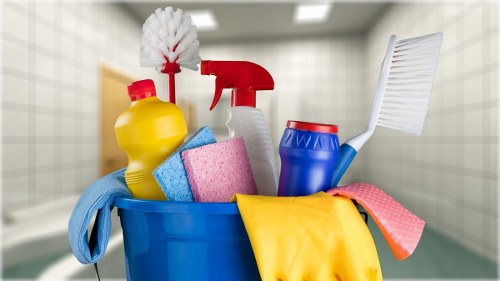
Office cleaning matters because the workplace is a shared environment. High-touch surfaces, meeting rooms, kitchen areas, and restrooms can quickly accumulate dirt and bacteria if they are not cleaned regularly. Even in offices with a small number of employees, dust, clutter, and odors can affect comfort and productivity. A consistent office cleaning routine helps prevent these issues before they start.
There is also a strong connection between office cleaning and employee satisfaction. Staff members are more likely to feel valued when they work in a clean and organized space. A tidy environment sends a clear message: the business cares about the people who work there. That sense of care can improve morale and encourage a more positive workplace culture.
From a client perspective, office cleaning can shape first impressions instantly. A reception area with spotless floors, clean windows, and fresh-smelling air feels professional and reliable. On the other hand, a dusty waiting room or messy conference table can create doubt. Because of this, office cleaning should be seen as part of brand presentation, not only facility upkeep.
The Connection Between Cleanliness and Performance
Clean offices support better performance by reducing distractions and helping employees stay organized. When surfaces are clutter-free and common areas are clean, people can move through their day with less friction. They spend less time dealing with mess and more time focusing on actual work.
Office cleaning also helps reduce sick days. Regular sanitization of desks, door handles, shared equipment, and restrooms can limit the spread of common illnesses. This is especially important in open-plan offices and high-traffic workplaces where employees interact closely. A healthier team often means stronger productivity and fewer disruptions.
In short, office cleaning is both a health measure and a business strategy. It supports smoother operations, better employee experience, and a more polished image. For businesses looking to improve daily performance, a reliable office cleaning plan is essential.
Key Areas That Need Regular Office Cleaning
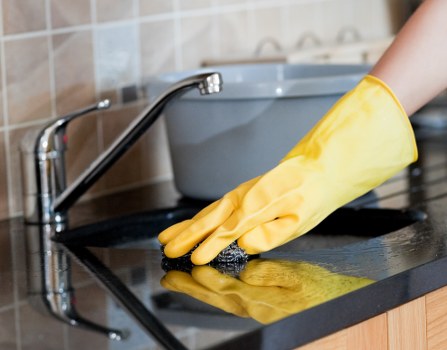
Every office has different cleaning needs, but some areas require consistent attention. The most effective office cleaning plans prioritize spaces that see frequent use and are most likely to collect dust, fingerprints, and germs. This includes workstations, shared equipment, kitchens, restrooms, lobbies, and meeting rooms.
Desks and workstations are often the heart of the office. Even though many employees keep their own areas tidy, dust, crumbs, and clutter can build up quickly. Office cleaning for desks should include wiping surfaces, sanitizing keyboards and phones when appropriate, and removing visible debris. Clean workstations contribute to a more orderly and professional atmosphere.
Common areas deserve equal attention because they are used by multiple people throughout the day. Break rooms, lounges, and coffee stations can become hotspots for spills and germs. Regular office cleaning in these spaces helps maintain hygiene and makes the workplace more pleasant for everyone.
High-Touch Surfaces That Should Never Be Ignored
High-touch surfaces are among the most important parts of office cleaning. These include:
- Door handles and push plates
- Light switches
- Elevator buttons
- Shared printers and copiers
- Conference room tables
- Faucets and restroom fixtures
- Shared appliances such as microwaves and refrigerators
Because these surfaces are touched frequently, they can easily carry bacteria and grime. Office cleaning teams should disinfect them regularly using appropriate products and methods. This not only helps maintain hygiene but also supports a safer workplace overall.
Restrooms are another critical area. No matter how attractive an office may be, poorly maintained restrooms can damage employee satisfaction and client impressions. A strong office cleaning routine should include restocking supplies, sanitizing surfaces, emptying trash bins, and keeping floors dry and clean.
Benefits of Professional Office Cleaning
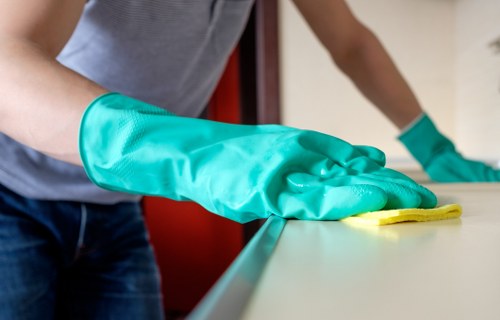
Professional office cleaning offers more than surface-level results. It brings structure, consistency, and expertise to the cleaning process. Businesses that rely on trained cleaners often enjoy better sanitation standards, more efficient cleaning schedules, and fewer maintenance issues over time. That is especially helpful in offices where appearance and hygiene matter every day.
One major benefit is time savings. When employees are not responsible for deep cleaning tasks, they can focus on their core responsibilities. Office cleaning handled by professionals allows staff to work in a better environment without being distracted by mess, spills, or recurring clutter.
Another advantage is consistency. Professional office cleaning services follow a schedule and checklist, ensuring nothing is overlooked. This consistency can be difficult to achieve with informal cleaning arrangements, especially in larger or busier workplaces. A reliable routine helps maintain high standards week after week.
Professional Cleaning and Workplace Health
Healthy offices begin with strong cleaning practices. Dust, allergens, and germs can build up quickly in enclosed workspaces. Professional office cleaning helps reduce these pollutants, which can improve air quality and lower the risk of discomfort for employees with allergies or sensitivities.
Many businesses also appreciate that professional cleaners bring the right equipment and products for different surfaces. From carpet care to hard floor maintenance, office cleaning professionals know how to handle materials properly without causing damage. This helps extend the life of office assets and protects long-term value.
Professional office cleaning is not just convenient—it is preventative. It helps stop small issues from becoming bigger problems, such as stains, odors, floor wear, or sanitation concerns. When businesses invest in expert care, they often save money in the long run.
What Professional Teams Often Include
A well-rounded office cleaning service may include:
- Dusting desks, shelves, and decorative surfaces
- Vacuuming carpets and rugs
- Mopping hard floors
- Emptying bins and replacing liners
- Cleaning restrooms and kitchen areas
- Disinfecting high-touch points
- Cleaning glass, mirrors, and interior windows
These tasks create a more complete and dependable result than occasional spot cleaning alone. For many organizations, this level of care makes office cleaning worth the investment.
How Office Cleaning Supports Employee Productivity
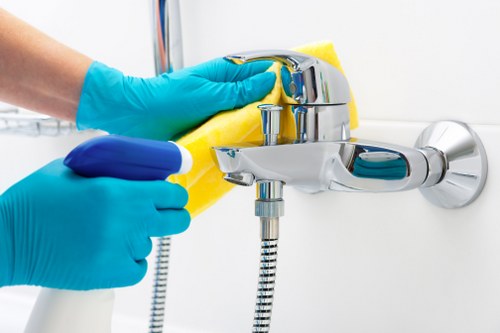
Office cleaning has a direct impact on productivity because people work better in organized spaces. Clutter can create mental noise, while dirt and mess can lower motivation. A clean environment makes it easier to think clearly, collaborate effectively, and maintain a positive attitude throughout the day.
Studies and workplace experience both point to the same truth: people perform better when they feel comfortable in their surroundings. Office cleaning helps create that comfort by reducing distractions and making spaces easier to use. When employees arrive at a clean desk or walk into a fresh meeting room, they start the day on a better note.
There is also a practical side to this benefit. A well-cleaned office makes it easier to find documents, move through shared spaces, and manage daily tasks. The result is smoother workflow and fewer frustrations. In fast-paced workplaces, those small improvements can make a meaningful difference.
Cleaning, Morale, and Professional Pride
People naturally take more pride in their work when they feel proud of where they work. Office cleaning helps foster that pride by creating a setting that looks and feels respectable. It can improve team morale without needing dramatic changes or expensive upgrades.
A clean office is a visible sign of good leadership. When management prioritizes office cleaning, it communicates organization, respect, and attention to detail. Employees notice these things, even if they do not always mention them directly.
In collaborative environments, cleanliness also supports smoother teamwork. Conference rooms that are ready for use, break rooms that are tidy, and shared tools that are maintained all help reduce tension and keep work moving. In this way, office cleaning contributes to a workplace culture that values efficiency and mutual respect.
Psychological Benefits of a Clean Workplace
Office cleaning can influence mood and mental clarity in several ways:
- It reduces visual clutter and supports focus.
- It creates a more welcoming atmosphere.
- It helps staff feel respected and cared for.
- It encourages better habits throughout the office.
These benefits may seem simple, but they add up quickly. Over time, a consistent office cleaning approach can help create a more stable and productive workplace experience.
Building an Effective Office Cleaning Routine

An effective office cleaning routine should be tailored to the size, layout, and activity level of the workplace. A small office may need a lighter schedule, while a busy corporate environment may require daily attention in several zones. The best office cleaning plan is one that balances hygiene, efficiency, and budget.
Start by identifying the spaces that need cleaning most often. These typically include restrooms, kitchens, reception areas, and shared workspaces. Then decide which tasks should be done daily, weekly, and monthly. This structure helps ensure nothing important is overlooked.
It is also useful to assign responsibility clearly. Whether office cleaning is handled internally or by a professional service, each task should have a defined owner and schedule. Clear expectations reduce confusion and make it easier to maintain consistent standards.
Daily, Weekly, and Monthly Cleaning Tasks
Here is a practical breakdown of office cleaning tasks:
- Daily: empty bins, disinfect high-touch surfaces, clean restrooms, tidy kitchens, and vacuum visible debris.
- Weekly: deep clean floors, dust furniture, wipe glass, clean appliances, and sanitize shared equipment.
- Monthly: address hard-to-reach areas, detail carpets, clean vents and baseboards, and review supplies and equipment.
This layered approach helps offices stay consistently clean without becoming overwhelmed. It also allows cleaning teams to focus on both appearance and hygiene. A strong office cleaning schedule is one of the simplest ways to maintain a better workplace year-round.
Choosing the Right Supplies and Methods
Not every surface should be cleaned the same way. Office cleaning products and methods should be chosen based on surface type, safety, and effectiveness. For example, glass requires streak-free solutions, while carpets may need specialized extraction tools. Sensitive electronics may require gentle cleaning rather than heavy moisture.
Using the right products matters for both safety and results. Harsh chemicals can damage surfaces or create unpleasant odors, while ineffective products may leave residue behind. A thoughtful office cleaning approach uses products that are suitable for the workplace and safe for regular use.
Eco-friendly products are also becoming more popular in office cleaning. Many businesses prefer low-odor, environmentally responsible solutions that support healthier indoor air quality. This can be especially useful in offices with many employees or sensitive visitors.
Office Cleaning Tips for a Cleaner, More Efficient Workplace
Good office cleaning is not only about scheduled services. Small daily habits can make a big difference in keeping the environment tidy between deep cleans. Encouraging employees to follow a few simple practices can support the cleaning team and extend the benefits of each service visit.
One helpful habit is to keep personal workstations organized. Employees who clear away paper stacks, empty coffee cups, and unused items help reduce clutter and make office cleaning easier. This does not mean everyone should deep clean their own desks, but a little responsibility goes a long way.
Another useful practice is to prevent messes before they spread. Spills should be handled quickly, trash should be placed in bins instead of left on surfaces, and shared spaces should be left ready for the next person. These simple actions support better hygiene and help maintain a professional atmosphere.
Practical Tips for Better Office Cleanliness
- Encourage a clean-desk policy where appropriate.
- Place sanitizing wipes in shared areas for quick touch-ups.
- Use labeled bins for recycling and waste.
- Store office supplies in designated drawers or cabinets.
- Schedule regular decluttering sessions.
- Make kitchen clean-up expectations clear for all staff.
These steps help create a cleaner culture, not just a cleaner room. When people understand their role in keeping the office tidy, office cleaning becomes more effective and sustainable.
It is also smart to review cleaning needs regularly. Workspaces change over time, especially as teams grow or office layouts evolve. What worked six months ago may not be enough now. Reassessing your office cleaning plan helps ensure it continues to meet current needs.
When to Upgrade Your Cleaning Plan
You may need a more advanced office cleaning approach if you notice any of the following:
- Dust and trash build up quickly between cleanings.
- Restrooms or kitchens no longer stay fresh throughout the day.
- Employees frequently mention odors, clutter, or hygiene concerns.
- Visitors may be forming a negative impression of the workspace.
If these signs appear, it may be time to increase service frequency or adjust the scope of office cleaning tasks. A proactive response keeps small issues from becoming bigger disruptions.
Making Office Cleaning Part of Workplace Excellence
Ultimately, office cleaning should be viewed as part of overall workplace excellence. Clean spaces support focus, health, and confidence. They help employees do their best work and allow businesses to present themselves in the best possible light. When office cleaning is handled with care and consistency, it becomes a quiet but powerful advantage.
Now is the right time to elevate your workplace standards. If your office could benefit from a more reliable, professional, and effective approach, contact us today and book your service now. A cleaner workplace is a stronger workplace, and the difference can be seen almost immediately.