Regular Cleaning in Modern Homes and Workplaces: Why It Matters More Than Ever
Why Regular Cleaning Should Be a Priority

Regular cleaning is one of the simplest ways to improve the look, feel, and function of any space. Whether you manage a family home, a shared apartment, a busy office, or a retail environment, consistent cleaning creates a healthier and more welcoming atmosphere. It does more than remove visible dirt. It helps control dust, reduce allergens, limit bacteria buildup, and protect surfaces from long-term damage.
Many people think cleaning is only about appearance, but regular cleaning has a much bigger impact. A tidy environment supports better focus, lowers stress, and makes daily routines easier. In workplaces, regular cleaning can improve professionalism and help employees feel more comfortable. At home, it can make life feel more organized and less chaotic.
Regular cleaning also plays an important role in prevention. Instead of waiting until messes become overwhelming, frequent upkeep keeps chores manageable. This approach saves time, protects property, and creates a cleaner environment every day. If you want a space that feels fresher and functions better,
regular cleaning is the foundation.
What Regular Cleaning Really Means

Regular cleaning refers to repeated, scheduled cleaning tasks that maintain a space over time. It can include dusting, vacuuming, mopping, wiping surfaces, disinfecting high-touch areas, and clearing clutter. The exact routine depends on the size of the property, the number of occupants, and the amount of daily activity.
Unlike deep cleaning, which targets hidden buildup and hard-to-reach areas, regular cleaning focuses on ongoing maintenance. It keeps spaces presentable and sanitary between deeper cleaning sessions. In practical terms, regular cleaning is what prevents grime from accumulating in the first place.
For most households and businesses, a consistent cleaning schedule is far more effective than occasional intensive efforts. When tasks are handled regularly, each session takes less time and produces better results. This is why regular cleaning is often considered the backbone of property care.
Regular Cleaning vs. Deep Cleaning
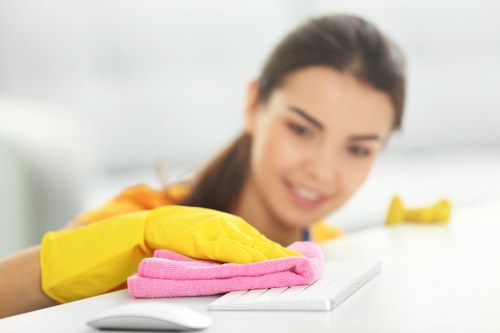
It is important to understand the difference between regular cleaning and deep cleaning, because both are necessary but serve different purposes. Regular cleaning is routine maintenance. Deep cleaning is more detailed and usually done less often.
Regular cleaning typically includes:
- Dusting shelves, counters, and furniture
- Vacuuming carpets and rugs
- Sweeping and mopping floors
- Cleaning sinks, mirrors, and visible surfaces
- Emptying trash bins
- Wiping down frequently touched areas
Deep cleaning may include scrubbing grout, cleaning behind appliances, washing windows, descaling fixtures, or removing buildup in corners and vents. While deep cleaning targets neglected areas, regular cleaning keeps those areas from becoming neglected in the first place.
In other words, regular cleaning is the daily or weekly habit that supports long-term cleanliness. Deep cleaning is the reset. Both matter, but regular cleaning is what keeps a property consistently under control.
Health Benefits of Regular Cleaning
Regular cleaning offers meaningful health advantages for both homes and workplaces. Dust, pet dander, mold spores, pollen, and bacteria can collect quickly in occupied spaces. If left alone, these particles may affect breathing comfort, trigger allergies, or contribute to a less hygienic environment.
One major benefit of regular cleaning is improved indoor air quality. When dust and debris are removed from surfaces and floors, fewer particles circulate through the air. This can be especially helpful for households with children, older adults, or anyone with asthma or seasonal allergies.
Regular cleaning also reduces the spread of germs. High-touch surfaces such as door handles, light switches, countertops, desks, and shared equipment can harbor bacteria and viruses. By cleaning these areas often, you help lower the risk of contamination and create a safer environment.
Key health advantages
- Lower allergen buildup
- Reduced dust circulation
- Fewer germs on surfaces
- Better overall indoor air quality
- Cleaner, safer common areas
These benefits show why regular cleaning is not just a cosmetic choice. It is a practical habit that supports daily well-being.
How Regular Cleaning Protects Your Property
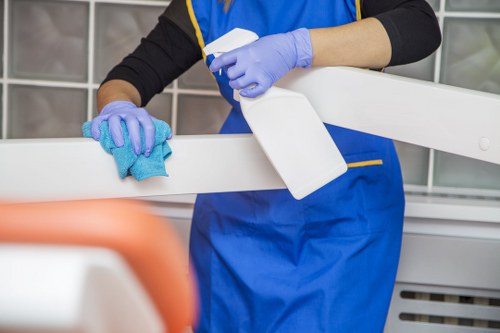
Beyond health, regular cleaning helps protect the condition of your property. Dirt and grime can slowly wear down flooring, countertops, fixtures, and fabrics. If neglected, these materials may stain, dull, or deteriorate faster than expected.
For example, dust and debris can scratch hard floors when they are walked on. Spilled liquids can stain upholstery or warp wood surfaces if not addressed quickly. Kitchen grease can settle on cabinets and appliances, making them harder to restore later. Regular cleaning prevents these issues from building up.
This is especially important for high-use spaces. In offices, restaurants, medical settings, and rental properties, frequent cleaning can extend the life of finishes and furnishings. It helps maintain a professional look and can reduce the need for costly repairs or replacements.
Property protection benefits
- Preserves flooring and surface finishes
- Reduces staining and permanent damage
- Maintains furniture and fixtures longer
- Keeps appliances cleaner and more efficient
- Supports better long-term value
When regular cleaning becomes part of the routine, the property stays in better shape for longer. That means fewer surprises and lower maintenance stress.
Regular Cleaning in Homes: A Practical Approach
At home, regular cleaning can make everyday life feel smoother and more manageable. A clean house is easier to use, easier to enjoy, and easier to maintain. Even small tasks performed consistently can make a noticeable difference.
A practical home cleaning routine usually includes daily, weekly, and monthly tasks. Daily tasks might involve wiping kitchen counters, washing dishes, tidying living areas, and quickly clearing clutter. Weekly tasks may include vacuuming, mopping, cleaning bathrooms, and changing bedding. Monthly tasks can include wiping baseboards, cleaning appliances, and organizing storage spaces.
The goal is not perfection. The goal is consistency. Regular cleaning works best when it fits naturally into your lifestyle. If a routine is realistic, it is more likely to stick.
Simple home routine ideas
- Spend 10 minutes tidying each evening
- Clean spills immediately to prevent stains
- Assign specific chores to each day of the week
- Keep cleaning supplies easy to reach
- Focus on high-use areas first
With a steady routine, regular cleaning becomes less of a burden and more of a habit that supports a calmer home.
Regular Cleaning in Workplaces
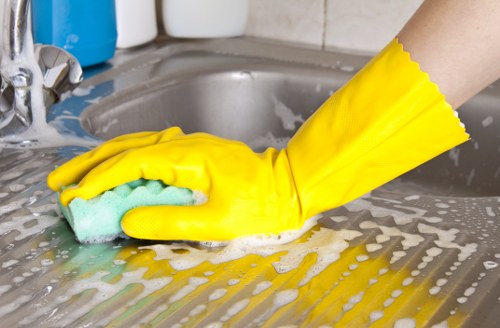
In commercial environments, regular cleaning is essential for both image and efficiency. Offices, stores, clinics, and other business spaces see frequent foot traffic, shared surfaces, and higher chances of mess. A clean workplace helps employees stay productive and gives visitors a positive first impression.
Regular cleaning in the workplace often includes sanitizing desks, wiping communal areas, emptying bins, cleaning restrooms, and maintaining floors. These tasks are especially important in break rooms, reception areas, meeting spaces, and shared equipment zones.
A clean business environment also reflects professionalism. When customers or clients walk into a spotless space, it signals care, attention to detail, and reliability. That impression can influence trust and overall satisfaction.
Regular cleaning in workplaces can also support better employee morale. People tend to feel more comfortable and focused in tidy surroundings. Reduced clutter and cleaner air can contribute to a more positive daily experience.
Workplace benefits at a glance
- Creates a professional appearance
- Supports employee comfort and productivity
- Helps reduce the spread of germs
- Improves visitor confidence
- Keeps shared spaces organized
For businesses, regular cleaning is not optional. It is part of maintaining a healthy, efficient, and trustworthy environment.
Building an Effective Regular Cleaning Schedule
A strong cleaning schedule is one of the best ways to stay on track. Without a plan, tasks are easy to forget or postpone. A simple schedule breaks cleaning into manageable pieces so the workload never feels too heavy.
Start by listing the areas that need attention most often. These are usually kitchens, bathrooms, entryways, desks, and living rooms. Next, decide how often each area should be cleaned. High-traffic areas may need daily attention, while less-used spaces may only require weekly care.
It can be helpful to divide tasks into categories:
- Daily: dishes, counters, quick wipe-downs, trash removal
- Weekly: vacuuming, bathroom cleaning, floor mopping, dusting
- Monthly: fixtures, appliances, vents, storage areas
The best schedule is one that matches your needs and resources. If you live in a busy household or run a busy business, regular cleaning may need to happen more often. If the property is lower traffic, a lighter routine may be enough.
Consistency matters more than complexity. A straightforward plan that is followed regularly will always outperform an elaborate plan that gets ignored.
Common Mistakes People Make with Regular Cleaning
Many people want a cleaner space but struggle to maintain it because of a few common mistakes. One of the biggest is waiting too long between cleanings. When tasks pile up, the job becomes more time-consuming and discouraging.
Another mistake is focusing only on visible areas. Surfaces may look clean while dust, grease, or bacteria build up in overlooked spots. Regular cleaning should address the entire space, not just what is easy to see.
Some people also use the wrong products or tools for the job. Harsh chemicals can damage surfaces, while ineffective tools may leave dirt behind. Choosing the right supplies helps ensure better results and protects the property.
Common mistakes to avoid
- Skipping cleaning until messes become overwhelming
- Ignoring high-touch areas
- Using the wrong products on delicate surfaces
- Not following a consistent schedule
- Trying to clean everything at once instead of breaking it down
Avoiding these mistakes can make regular cleaning easier and more effective. A steady, practical approach leads to better long-term results.
Why Regular Cleaning Supports Better Mental Well-Being
A clean environment can have a powerful effect on how people feel. Clutter and mess often contribute to mental overload, while tidy spaces tend to feel calmer and more organized. Regular cleaning can therefore support not only physical cleanliness but also emotional comfort.
When a room is clean, it is easier to relax, think clearly, and get things done. This is especially true in home offices, bedrooms, and shared living spaces. A well-maintained environment can reduce the sense of chaos and help people feel more in control of their day.
Regular cleaning can also create a sense of accomplishment. Completing small tasks consistently often provides a mental boost and makes larger goals feel more achievable. Over time, this can lead to a more structured and satisfying routine.
Regular cleaning does not solve every stressor, but it removes one common source of daily frustration: disorder. That alone can make a meaningful difference.
Choosing the Right Support for Regular Cleaning
Sometimes, handling all cleaning tasks alone is not practical. Busy families, growing businesses, and large properties may need extra support to keep up with regular cleaning demands. In those situations, outside help can be a smart investment.
Professional cleaning support can provide consistency, save time, and ensure that tasks are done thoroughly. It can also help maintain spaces that require more frequent attention, such as offices, shared facilities, and multi-room properties. When regular cleaning is handled well, the space stays easier to manage between visits.
Before choosing support, consider what your space needs most. You may want help with routine floor care, disinfecting, restroom maintenance, or full-service upkeep. The right approach depends on your schedule, property type, and cleanliness goals.
Signs you may need extra help
- You cannot keep up with daily or weekly tasks
- High-traffic areas become dirty quickly
- Cleaning is taking too much time away from work or family
- You want more consistent results
- You need help maintaining a professional appearance
If regular cleaning is becoming difficult to maintain alone, additional support can make the process far more efficient.
How to Keep Regular Cleaning Simple and Sustainable
The most effective cleaning habits are the ones you can maintain over time. That is why simplicity is so important. A routine that is too demanding will likely fall apart, while a realistic plan can become a lasting habit.
Start small. Choose the areas that matter most and focus on keeping them clean first. Build from there as the routine becomes easier. Use checklists, reminders, or a calendar to stay organized. Keep supplies in convenient places so that cleaning feels less like a chore and more like a quick task.
It also helps to involve everyone who uses the space. In households, shared responsibility makes regular cleaning easier to manage. In workplaces, clear expectations help maintain standards throughout the day. Everyone contributes to the result.
Tips for sustainability
- Break large tasks into smaller steps
- Clean a little each day instead of waiting
- Use the same routine consistently
- Store supplies where they are needed
- Review and adjust the schedule as needs change
When regular cleaning is simple, it becomes sustainable. And when it is sustainable, the benefits continue all year long.
The Long-Term Value of Regular Cleaning
Regular cleaning delivers value in many forms. It supports health, improves appearance, protects property, and makes spaces easier to enjoy. Over time, these benefits can save money, reduce stress, and create a more pleasant environment for everyone.
For homeowners, regular cleaning helps preserve comfort and order. For businesses, it reinforces professionalism and creates a better experience for staff and visitors. For landlords and property managers, it helps maintain value and keeps spaces ready for use.
The biggest advantage is that regular cleaning prevents problems before they grow. Instead of dealing with heavy buildup, damage, or unpleasant conditions later, you maintain control through consistent upkeep. That is why regular cleaning remains one of the smartest habits for any property.
If you want a cleaner, healthier, and more manageable space, now is the time to act. Start improving your routine today, and if you need reliable help, Book your service now or Contact us today to keep your space at its best.