Deep Cleaning in Modern Homes: A Practical, SEO-Friendly Approach to a Cleaner Space
Why Deep Cleaning Matters More Than Daily Tidying

Deep cleaning is more than a quick reset; it is the process that helps restore a home to a healthier, fresher, and more comfortable condition. While routine tidying keeps surfaces presentable, deep cleaning reaches the places that often get overlooked: behind appliances, under furniture, inside vents, along baseboards, and in other hidden corners where dust and grime naturally build up.
For many households, deep cleaning is the difference between a space that simply looks neat and one that genuinely feels clean. It removes accumulated dirt, helps reduce allergens, and improves indoor air quality. Whether you live in a busy family home, a small apartment, or a rental property, deep cleaning can make a noticeable impact on comfort and hygiene.
Another important reason people invest in deep cleaning is prevention. Dirt, grease, and moisture can lead to stains, odors, mold growth, and even damage to surfaces over time. Addressing these issues regularly keeps the home in better condition and can reduce the need for expensive repairs or replacements later.
What Deep Cleaning Includes
Deep cleaning covers a much wider range of tasks than standard house cleaning. It focuses on detailed work that restores neglected areas and tackles buildup that ordinary cleaning may miss. The exact scope can vary depending on the property, but the goal is always the same: thorough, detailed, and results-driven cleaning.
In most homes, deep cleaning services or a DIY deep clean may include cleaning areas like kitchen appliances, bathroom fixtures, tile grout, ceiling fans, window tracks, light switches, and vents. It can also involve wiping inside cabinets, sanitizing high-touch surfaces, and cleaning under large furniture pieces.
To make the process easier to understand, here are common tasks often included in a deep clean:
- Dusting and wiping hard-to-reach areas
- Cleaning baseboards, trims, and door frames
- Scrubbing kitchens and bathrooms in detail
- Removing grease from stovetops and range hoods
- Vacuuming upholstery, corners, and edges
- Cleaning behind and beneath furniture and appliances
The broader and more detailed the work, the more effective the final result. This is why many people choose professional deep cleaning when their home needs more than surface-level upkeep.
Signs Your Home Needs Deep Cleaning
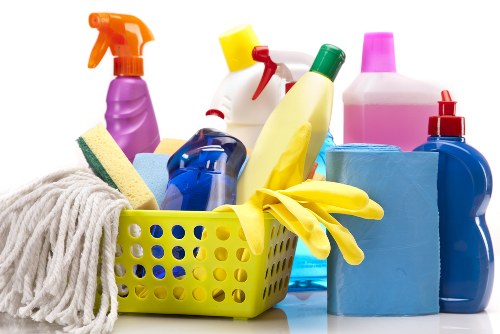
There are several clear signs that it may be time for a deep cleaning. One of the most obvious is visible buildup in areas you do not clean every week. For example, if dust collects on ceiling fans, grime appears around kitchen appliances, or soap scum keeps returning in the bathroom, the space likely needs more intensive attention.
Another sign is persistent odors. A home may appear clean on the surface but still have lingering smells from trash bins, drains, carpets, pet areas, or upholstery. Deep cleaning helps eliminate the sources of these odors rather than simply masking them.
You may also notice that your regular cleaning routine no longer feels effective. If your home looks clean shortly after you tidy it but quickly feels dusty or dull again, hidden buildup may be spreading throughout the space. In these situations, a deep cleaning can reset the environment and make routine maintenance easier afterward.
Other common warning signs include:
- Allergy symptoms worsening indoors
- Sticky surfaces or greasy kitchen areas
- Discolored grout or tile lines
- Cluttered storage spaces with dust accumulation
- Bathroom mold or mildew spots
Benefits of Deep Cleaning for Health and Comfort
One of the biggest advantages of deep cleaning is the improvement it brings to your living environment. Dust, pet dander, pollen, and other allergens can collect in carpets, vents, curtains, and upholstery. By removing these particles more thoroughly, you may help reduce irritation and create a fresher atmosphere for everyone in the home.
Deep cleaning is also valuable for maintaining hygiene in high-use areas. Kitchens and bathrooms, in particular, can harbor bacteria, grease, and moisture if they are not cleaned regularly and thoroughly. A focused deep clean helps sanitize these spaces and supports a healthier household routine.
Comfort matters too. A properly cleaned home simply feels better to live in. Fresh surfaces, organized spaces, and improved air quality can reduce stress and make daily life more enjoyable. For homeowners preparing for guests, seasonal changes, or special events, deep cleaning can create an inviting and polished look.
Health-Related Advantages
Deep cleaning can support:
- Reduced dust and allergen exposure
- Lower buildup of germs in kitchens and bathrooms
- Better indoor air quality
- Less mold and mildew growth
- A cleaner environment for children and pets
Deep Cleaning Room by Room
Breaking the process into rooms makes deep cleaning more manageable and efficient. Each part of the home has unique cleaning needs, and understanding those needs helps you focus your time and effort where it matters most.
Kitchen deep cleaning usually includes degreasing cabinets, cleaning inside the oven, wiping the refrigerator shelves, scrubbing the sink, and sanitizing counters. Grease and food residue can accumulate quickly here, so detailed cleaning is essential for both appearance and hygiene.
In bathrooms, deep cleaning typically targets tile, grout, drains, shower doors, faucets, and toilet bases. These are high-moisture spaces where buildup can become stubborn if left too long. Attention to detail makes a huge difference in how clean the bathroom looks and feels.
Living Areas and Bedrooms
Living rooms and bedrooms benefit from dusting ceiling fans, vents, shelves, baseboards, and electronics. Upholstered furniture should be vacuumed, and under-bed areas should be cleared of dust and debris. These rooms may not get dirty as fast as kitchens or bathrooms, but they still collect hidden buildup over time.
For best results, include these tasks in your deep cleaning schedule:
- Wash curtains or vacuum blinds
- Clean window sills and tracks
- Vacuum mattress surfaces
- Wipe lamps, decor, and picture frames
- Move furniture to clean behind it
How to Prepare for a Deep Cleaning Session
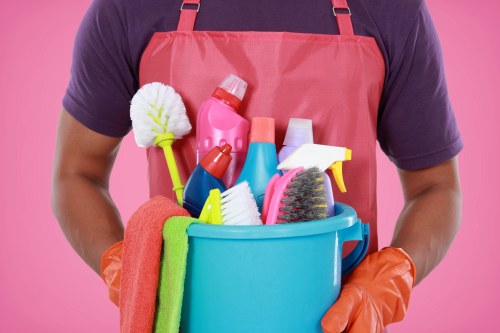
Preparation can make deep cleaning much faster and more effective. Start by removing clutter from surfaces, floors, and storage areas. The fewer obstacles you have, the easier it becomes to reach corners, shelves, and hard-to-access spots.
Next, gather your cleaning supplies. Depending on the size of your home and the areas being treated, you may need microfiber cloths, a vacuum, a mop, disinfectant, degreaser, scrub brushes, glass cleaner, and gloves. Choosing the right tools matters because deep cleaning often requires more than basic soap and water.
It also helps to create a plan before you begin. Decide which rooms need the most attention and work from top to bottom so dust and debris do not fall onto already cleaned areas. Many people find it useful to divide the task into sections and complete one section at a time instead of trying to do everything at once.
Preparation Checklist
- Declutter counters, floors, and shelves
- Collect cleaning sprays, cloths, and brushes
- Empty trash bins and laundry baskets
- Open windows for ventilation if possible
- Set aside time for each room
DIY Deep Cleaning vs Professional Deep Cleaning
Many homeowners wonder whether they should handle deep cleaning on their own or hire professionals. The answer depends on time, budget, the size of the property, and how intensive the cleaning needs are. Both options can be effective when used at the right time.
DIY deep cleaning can be ideal for smaller spaces or for homeowners who prefer hands-on control. It allows you to focus on the areas that matter most to you and can be done gradually over a weekend or multiple sessions. However, it requires energy, planning, and the right products to achieve strong results.
Professional deep cleaning services are often chosen when the job is too large, too time-consuming, or too detailed for one person to manage comfortably. Trained cleaners usually work faster and bring specialized equipment or solutions that can handle stubborn buildup more effectively.
When to Consider Professional Help
Professional assistance may be worthwhile if:
- You are moving in or out of a home
- The property has not been deep cleaned for a long time
- You need a faster turnaround
- There are hard-to-remove stains or odors
- You want a more thorough result with less effort
Ultimately, both DIY and professional deep cleaning can deliver excellent results when the method matches the situation.
Deep Cleaning Mistakes to Avoid
Even a well-intentioned deep cleaning effort can fall short if common mistakes are made. One of the biggest errors is cleaning in the wrong order. If you vacuum before dusting shelves and ceiling fans, for example, dust may simply fall onto freshly cleaned floors and force you to repeat work.
Another frequent mistake is using harsh products on delicate surfaces. Stone countertops, wood finishes, stainless steel, and certain tiles may require specific cleaners. Using the wrong product can damage finishes, leave residue, or reduce the lifespan of materials in your home.
People also underestimate the time required for a true deep clean. Trying to rush through every room often leads to missed spots and inconsistent results. A more practical approach is to work slowly and methodically, paying special attention to detail rather than speed alone.
Common Errors to Avoid
- Skipping hidden areas like behind appliances
- Using too much product and leaving residue
- Cleaning without decluttering first
- Ignoring vents, baseboards, and switches
- Forgetting to disinfect high-touch surfaces
Seasonal Deep Cleaning for a Fresher Home

Seasonal routines are an excellent way to keep deep cleaning manageable throughout the year. Instead of waiting until the home feels overwhelming, many people schedule detailed cleaning at the start of spring, before major holidays, or during the change from summer to fall. This approach helps maintain consistent freshness and organization.
Seasonal deep cleaning can focus on areas affected by weather and lifestyle shifts. For example, in spring, you might tackle dust, windows, patio doors, and allergens that have collected during colder months. In autumn, it may make more sense to clean vents, rugs, storage areas, and entryways as people spend more time indoors.
This kind of planned cleaning also makes maintenance easier. When major buildup is handled regularly, everyday tidying becomes more effective and less stressful. Instead of reacting to mess, you are staying ahead of it with a practical schedule.
Popular Seasonal Focus Areas
- Windows and window tracks
- Baseboards and trim
- Kitchen cabinets and pantry shelves
- Closets and storage rooms
- Mattresses, rugs, and upholstery
Deep Cleaning Tips for Busy Households
Busy households often struggle to fit deep cleaning into an already crowded schedule. The key is not doing everything at once, but building a realistic routine. Even a few focused sessions can deliver excellent results when planned well.
Try cleaning one room or zone at a time. For example, you might dedicate one day to the kitchen, another to bathrooms, and another to shared spaces. This prevents burnout and helps you notice progress more clearly. It also reduces the chance of missing important details because your attention is spread too thin.
Another useful strategy is to combine deep cleaning with regular cleaning. If you already wipe counters each day, spend a few extra minutes cleaning cabinet handles or appliance fronts. If you vacuum weekly, include under-bed and edge areas once a month. These small habits support larger cleaning goals over time.
Time-Saving Strategies
- Use a checklist for each room
- Set a timer for focused cleaning blocks
- Keep supplies in a portable caddy
- Clean from top to bottom
- Prioritize high-traffic and high-touch areas
Eco-Friendly Approaches to Deep Cleaning
Many households now prefer environmentally conscious methods for deep cleaning. Eco-friendly cleaning can reduce exposure to strong chemicals while still achieving excellent results. Products like vinegar, baking soda, lemon, and plant-based cleaners are often used for everyday buildup and maintenance tasks.
Choosing greener products can be especially helpful in homes with children, pets, or people sensitive to fragrances and harsh ingredients. It can also make the home smell lighter and more natural after a deep clean, rather than heavily chemical.
That said, eco-friendly does not mean less effective. The best approach is to match the product to the task. Some areas, especially bathrooms and grease-heavy kitchens, may still need stronger solutions for sanitizing or degreasing. The goal is to choose options that clean thoroughly while supporting a healthier indoor environment.
Eco-Friendly Cleaning Ideas
- Baking soda for scrubbing and deodorizing
- White vinegar for glass and mineral buildup
- Microfiber cloths to reduce waste
- Refillable spray bottles for custom solutions
- Low-toxicity, plant-based cleaning products
Maintaining Results After Deep Cleaning
Once you finish deep cleaning, the next step is maintaining the results. A cleaner home lasts longer when small habits are practiced regularly. Simple daily and weekly routines can prevent grime from building up again and reduce the need for frequent intensive sessions.
Maintenance often starts with consistency. Wiping spills right away, putting items back after use, and sticking to a basic cleaning schedule can make a noticeable difference. When the home is kept in good condition between major cleanings, the next deep cleaning session becomes far easier.
It is also helpful to track problem areas. If certain spaces always get dirty quickly, such as the kitchen sink, entryway, or bathroom vanity, give them a little extra attention each week. That small adjustment can greatly improve long-term cleanliness and reduce repeat buildup.
Simple Maintenance Habits
- Wipe high-touch surfaces daily
- Vacuum and sweep regularly
- Address spills and stains immediately
- Declutter before dirt accumulates
- Schedule recurring deep cleaning sessions
Why Deep Cleaning Is Worth the Effort
At its core, deep cleaning is an investment in the comfort, appearance, and health of your home. It goes far beyond surface tidiness to address the hidden dust, grime, and buildup that affect how a space feels and functions. When done well, it restores freshness and helps create an environment that is easier to live in and maintain.
The value of deep cleaning shows up in multiple ways: improved hygiene, better air quality, fewer odors, and a more polished living space. It can also help protect fixtures, appliances, and materials from long-term damage caused by neglect. For homeowners, renters, and busy families alike, this makes the process worthwhile.
If you want a cleaner, more comfortable home, now is the ideal time to make deep cleaning part of your routine. Whether you do it yourself or rely on expert help, the results can be transformative. Book your service now or contact us today to take the first step toward a fresher home environment.